Crafting Wellness: The Anatomy of an Effective Daily Health Planner
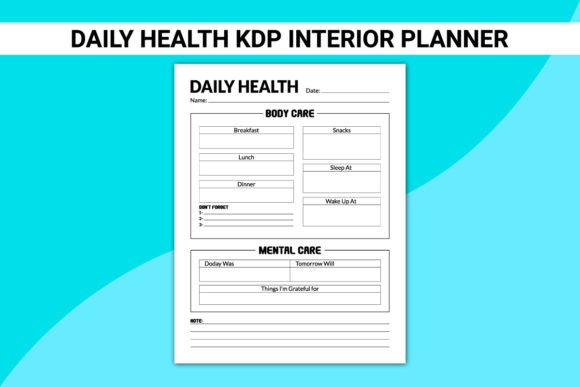
In the bustling rhythm of modern life, maintaining personal health often falls to reactive measures rather than proactive planning. A dedicated daily health planner emerges as a critical tool for those seeking structure and accountability in their wellness journey. Unlike generic notebooks, these planners are designed with intentionality, focusing on the multifaceted aspects of health—physical, mental, nutritional, and emotional. The integration of a purpose-built interior, such as found in a Daily Health KDP Interior Planner, transforms a simple tracking exercise into a comprehensive system for sustainable well-being.
The Core Components of a Health Planner Design
A well-structured planner goes beyond mere date boxes. Its interior layout is the skeleton upon which successful habits are built. Effective designs typically incorporate several key sections.
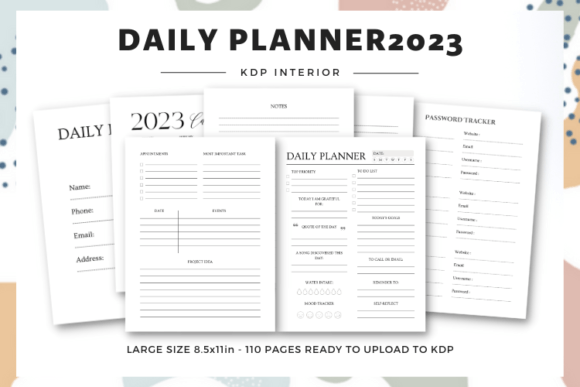
Daily tracking pages are the heart of the system. These often include dedicated spaces for logging hydration, meals, physical activity, sleep quality, and mood. This consolidated view allows users to spot patterns and correlations between different health factors, such as how poor sleep might affect afternoon energy levels or food choices.
Specialized Sections for Holistic Tracking
Many modern planners feature weekly or monthly overviews. These provide a broader perspective, enabling users to set goals for the week, plan exercise routines, or schedule meal prep days. A section for habit trackers, often using checkboxes or progress bars, visualizes consistency in routines like meditation, taking vitamins, or avoiding screen time before bed.
Additionally, areas for reflections or journaling prompts are increasingly common. Writing space for noting what went well, challenges faced, or gratitude lists supports the mental and emotional dimensions of health, making the planner a truly holistic companion.
Design Philosophy: Uniqueness, Creativity, and Usability
The assertion that a design is unique, creative, modern, and eye-catching is not merely an aesthetic claim; it is a functional necessity. In a market saturated with options, a visually distinct planner engages the user, making the daily act of filling it out a more inviting experience. Creative layouts that break from rigid, grid-only formats can guide the user's focus and make information intake more intuitive.
A modern design often implies clean lines, thoughtful typography, and a balanced use of white space. This reduces visual clutter, which is paramount for someone using the planner to manage stress or organize a complex health regimen. An eye-catching design serves a dual purpose: it attracts potential users and, once purchased, continues to motivate daily use through its pleasing appearance.
The Practical Advantage of a Large Format
The specification of a large size, such as 8.5×11 inches, offers significant practical advantages. This generous canvas allows for ample writing space in each section, preventing cramped notes that become illegible or discouraging. It facilitates the inclusion of multiple tracking elements on a single daily page without feeling overcrowded. For users who wish to add their own notes, sketches, or paste-in inspirations, the extra room is invaluable. The format also aligns perfectly with standard binder use or professional printing expectations, enhancing its versatility.
Behind the Files: Flexibility for Creators and Users
The provision of Ai, Pdf, jpg, png, svg, and eps files speaks directly to the needs of a diverse audience, from end-users to intermediary creators. Each file type serves a specific purpose in the lifecycle of the planner.
The Adobe Illustrator (Ai) and EPS files are vector-based, offering complete editability for designers or entrepreneurs who wish to customize the planner—perhaps adding a brand logo, altering color schemes, or translating text. This makes the Daily Health KDP Interior Planner a robust template, not just a final product.
The high-resolution PDF is typically the ready-to-print master file. For consumers using print-on-demand services like Amazon KDP (Kindle Direct Publishing) or local print shops, a print-optimized PDF ensures that every line and graphic renders crisply. JPG and PNG files are useful for digital previews, marketing materials, or for those who might integrate planner pages into digital journaling apps. The SVG file, scalable without loss of quality, is excellent for web use or further digital design projects.
The emphasis on a high-quality file document underpins everything. It means that fonts are embedded correctly, colors are consistent across formats, and resolution is sufficient for professional printing. This quality assurance saves time, prevents technical headaches, and guarantees that the final printed or used product reflects the integrity of the original design.
Real-World Applications and User Scenarios
The utility of such a planner extends across numerous scenarios. A fitness coach might purchase the editable files to create branded planners for their clients, personalizing the workout tracking sections. An individual recovering from an illness or managing a chronic condition could use the printed version to meticulously monitor symptoms, medication, and energy levels, providing valuable data for discussions with healthcare providers.
Educators or wellness workshop leaders might utilize the PNG or JPG images of specific pages within their presentation materials to teach goal-setting or habit formation. A hobbyist interested in bullet journaling could use the SVG elements as decorative pieces within their own custom journal creation. Business owners in the wellness space could leverage the modern design as part of a broader product suite, offering a tangible tool that complements their services.
Considerations for Implementation and Use
While a well-designed planner provides the framework, its effectiveness hinges on consistent use. Users should consider pairing its use with a regular review time, perhaps each evening or weekly Sunday. It's also helpful to start simple; filling out every section on day one can be overwhelming. Focusing on two or three key trackers initially builds a sustainable routine.
For creators or businesses using the interior files, attention must be paid to the printing specifications. When modifying files, maintaining the original layout's proportions and margins is crucial to ensure the final printed pages look and function as intended. Understanding the difference between RGB (used for digital screens) and CMYK (used for print) color modes in the provided files is also essential to avoid color discrepancies.
The evolution of daily health planners reflects a broader societal shift towards personalized and accountable health management. A tool that combines a thoughtful, modern interior design with the technical flexibility of multiple high-quality file types meets the needs of today's diverse users. It serves not as a passive notebook, but as an active instrument for crafting a healthier, more mindful life, one day at a time.