The Essential Role and Design of a Crane Operator Log Book
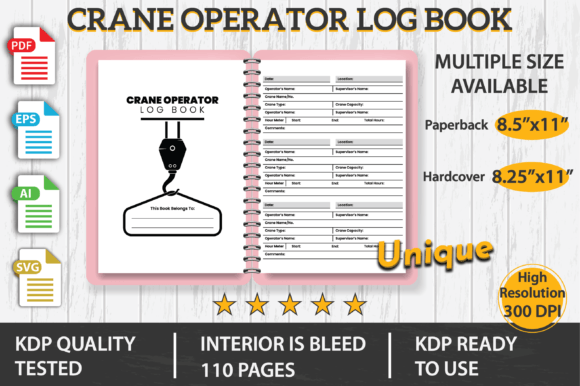
In the world of heavy construction, industrial work, and logistics, the crane is a symbol of power and precision. These colossal machines lift, move, and place materials that are fundamental to building our infrastructure. Yet, the true backbone of safe and efficient crane operation isn't just the machine itself or the skilled operator in its cab—it's a often-underestimated document: the Crane Operator Log Book. This specialized record-keeping tool is a critical component of professional crane management, ensuring safety, compliance, and accountability. For those looking to publish a practical, ready-to-use version of such a log, a well-designed KDP interior, like the "CRANE OPERATOR LOG BOOK," becomes an invaluable product.
Understanding the Crane Operator Log Book: More Than Just a Diary
At its core, a crane operator log book is a daily record maintained by the crane operator or site supervisor. It is not a simple diary or casual notebook. It is a formal, structured document that serves multiple vital purposes in high-risk work environments.
Primarily, it acts as a legal and safety record. Every entry provides a chronological account of the crane's usage, including start and end times, the nature of the lifts performed, load weights, and any observations about the crane's condition or performance. This creates an undeniable paper trail that can be crucial for regulatory compliance with bodies like OSHA (Occupational Safety and Health Administration) and for investigations in the unfortunate event of an incident. It demonstrates a proactive commitment to safety protocols.
Secondly, it functions as a maintenance and inspection ledger
A robust crane operator log book contains specific sections to capture all necessary data. Common entries include: Without these structured features, record-keeping becomes ad-hoc and unreliable, undermining its core purposes of safety and accountability. In today's industrial landscape, the importance of documented procedures has never been higher. Workplace safety is a paramount ethical and legal concern. A crane operator log book fits directly into this modern culture of compliance and transparency. It provides tangible evidence that an organization is following its own safety management systems and adhering to national regulations. Furthermore, in the context of business and project management, this log contributes to operational efficiency. By analyzing log entries over time, project managers can identify patterns—perhaps certain lifts consistently take longer, or a crane is showing frequent minor issues at a specific time of day. This data can inform better scheduling, equipment deployment, and long-term capital planning for equipment repair or replacement. For the crane operator themselves, the log is a tool for professional development and pride. Maintaining a clear, accurate log reflects a disciplined and responsible approach to their craft. It underscores their role not just as a machine user, but as a safety professional and steward of expensive, critical equipment. There are a few prevalent assumptions that can diminish the value of these logs. First is the idea that they are only for large cranes or major construction sites. In reality, any powered lifting device operated regularly, including smaller mobile cranes on utility projects or in warehouse settings, benefits from disciplined logging. The principle of tracking condition and usage is universally applicable. Another misunderstanding is that the log is just a bureaucratic form to fill out at the end of the day. This attitude leads to rushed, incomplete entries. The log's true value is realized when it is used interactively throughout the shift as a living document—checking items pre-operation, noting conditions during work, and reflecting post-operation. It should be part of the workflow, not an afterthought. Finally, some may assume all log books are the same. While the core data points are consistent, a well-designed, user-friendly layout significantly impacts how reliably and thoroughly the log is maintained. A cluttered, confusing design leads to skipped entries; a clear, logical layout promotes compliance. This is where the concept of a publishable Crane Operator Log Book KDP interior becomes highly practical. Kindle Direct Publishing (KDP) allows creators to design and sell physical paperback log books. A professional interior design, such as the one described with features like 110 pages, bleed, and editable source files, addresses the very need for that user-friendly layout. Such a product serves multiple audiences: The technical specifications matter deeply for functionality and professionalism. The 8.5 x 11 inches dimension is a standard, comfortable size for field use. Including a bleed ensures no misalignment during printing, giving a crisp, professional finish. The 110 pages provides ample length for a substantial recording period, preventing the need for multiple thin books. Most importantly, offering an editable source file (AI, EPS, SVG) allows companies or trainers to customize the log—adding their company logo, specific checklist items tailored to their equipment, or modifying sections to meet unique site requirements. This flexibility transforms a generic product into a tailored tool. To truly appreciate the crane operator log book, one must see it as part of a larger ecosystem of industrial safety and documentation. It does not stand alone. It interacts with other documents: This interconnectedness highlights that the log is a dynamic node of information, not a static archive. It feeds data into maintenance systems, safety reviews, and project audits. In an age where technology offers digital solutions, the physical log book remains persistently relevant due to its immediacy, reliability in harsh environments (where tablets might fail), and legal tangibility. A well-designed printed log is a robust, technology-agnostic tool. Consider a practical example: An operator begins a shift at a port loading containers. Their log book entry starts with the pre-op check: all controls functional, wire rope in good condition, no visual defects. They note the date, crane number, and their name. During the shift, they record each major lift—container ID, approximate weight, time taken. Mid-shift, they feel a slight hesitation in a hoist movement. They immediately note this in the "Condition Report" section of the log, specifying the time and observed symptom. At shift end, they record total engine hours. This simple act means that the next morning, the maintenance crew can review the log, see the note about the hesitation, and proactively investigate before the crane is used again. It also means the port manager can verify that all lifts were logged for the client's billing and that OSHA-required daily inspections were performed. The single document serves operational, safety, and commercial functions seamlessly. The Crane Operator Log Book is an unseen pillar supporting the vast and visible world of construction and industry. Its purpose extends far beyond simple record-keeping; it is a tool for safety, a ledger for maintenance, a document for compliance, and a record for efficiency. For entrepreneurs, safety professionals, or trainers looking to provide a high-quality, customizable version of this essential tool, a professionally designed KDP interior—with its print-ready PDF, tested files, and editable source options—represents a perfect blend of practical utility and publishing opportunity. It creates a product that directly contributes to the foundational practices that keep one of the most dangerous industrial activities safe, accountable, and productive. Understanding and utilizing such a log is not just a procedural task; it is a fundamental aspect of modern professional crane operation.The Key Features and Entries of a Professional Log
The Significance in Modern Work and Compliance Culture
Common Misunderstandings About Crane Logs
The Practical Relevance of a Ready-to-Use KDP Interior
Building a Broader Understanding: The Log Book in the Ecosystem of Safety
Examples in Daily Operation
Conclusion: An Unseen Pillar of Industrial Work
🔗 You Might Also Like