The Power of Personal Accountability: Your Spending Tracker Log Book
In a world of digital subscriptions, cashless payments, and instant purchases, financial awareness can sometimes slip through the cracks. While apps and software offer convenience, there is a profound, often overlooked, value in the tactile act of writing. A Spending Tracker Log Book is more than just a notebook; it is a dedicated space for financial mindfulness, a tool for building a conscious and intentional relationship with your money.
What is a Spending Tracker Log Book?
A Spending Tracker Log Book is a physical journal designed specifically for recording daily expenses. Its core purpose is to create a habit of observation. By manually logging each purchase—from a morning coffee to a monthly utility bill—you transition from a passive spender to an active financial observer. This simple practice illuminates patterns, highlights recurring costs, and makes abstract budgets feel concrete and manageable.
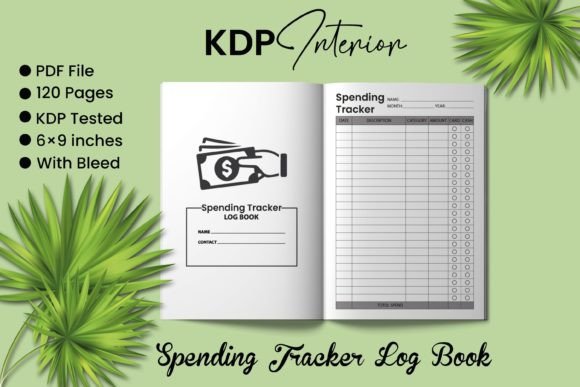
The structure of a typical log book includes dated entries, categorized columns for amount, description, and payment method, and often summary sections for weekly or monthly totals. This organized framework guides the user, making the tracking process straightforward and consistent, which is key to building a lasting habit.
Beyond Numbers: The Psychological Benefits of Manual Tracking
The act of physically writing in a Spending Tracker Log Book engages the mind differently than typing on a screen. It requires a moment of pause and reflection. This moment of pause is where the real value lies. It creates a slight friction, a conscious decision to acknowledge the expenditure, which can subtly influence future spending behavior. For many, this manual process fosters a greater sense of ownership and responsibility over their financial choices, reducing impulsive spending and promoting thoughtful purchasing.
Who Can Benefit from This Practice?
The utility of a Spending Tracker Log Book spans a wide audience. It is not solely for those facing financial difficulty.
- Young Professionals and Students: Individuals new to managing their own income can establish foundational financial habits, understanding their cash flow and avoiding early debt.
- Freelancers and Business Owners: Tracking both personal and incidental business expenses becomes crucial for tax purposes and profitability analysis.
- Families and Household Managers: Coordinating shared finances and planning for groceries, childcare, and family activities is streamlined with a central log.
- Goal-Orientated Individuals: Whether saving for a vacation, a car, or debt repayment, a log book provides tangible proof of progress, turning abstract goals into daily actionable steps.
- Anyone Seeking Financial Clarity: For those who feel their money "disappears" each month, this tool provides the missing map.
Real-World Scenarios: The Log Book in Action
Consider a freelance graphic designer. Using their Spending Tracker Log Book, they not only track personal living costs but also log client-related expenses like software subscriptions, website hosting, and coffee meetings. At month’s end, a quick review clearly separates personal spending from business overhead, simplifying invoicing and profit calculation.
For a couple saving for a home, a shared log book can track all joint expenses and savings contributions. Seeing their reduced dining-out costs and increased deposit fund in written form serves as a motivational reinforcement, strengthening their collaborative financial discipline.
Characteristics of a Well-Designed Log Book
A functional Spending Tracker Log Book should be designed for ease of use and longevity. Key characteristics include:
- Clear Layout: Intuitive columns and headings that require no explanation.
- Adequate Space: Enough room for detailed descriptions, which are often more important than the number itself for identifying spending triggers.
- Summary Sections: Regular weekly and monthly total areas to encourage periodic review.
- Quality Physical Construction: Durable paper and binding for a tool meant for daily use over months.
- Minimalist Design: A clean, uncluttered interior that focuses the user on the task without distracting graphics.
Considering the Limitations and Practical Expectations
A Spending Tracker Log Book is a commitment to a routine. Its effectiveness is directly tied to consistency. It will not automate calculations or create charts; it provides the raw data. The analysis and insight come from your regular review of that data. For some, this manual aspect is a strength; for others who prefer automated aggregation, it may be a limitation. It is also a purely personal tool—it doesn’t sync with bank accounts or provide real-time alerts. Its power is in fostering mindfulness, not in offering technological convenience.
Evaluating Your Needs: Is a Physical Log Book Right for You?
Before embarking on this practice, consider your personal style and goals. If you enjoy tactile tasks, find screens distracting for focused work, or are seeking a mindful ritual to add structure to your day, a physical log book is likely a perfect fit. If your financial life is exceptionally complex with multiple income streams and investment accounts, a log book might best serve as a companion tool for tracking daily discretionary spending, while software handles larger-scale accounting.
The beauty of the Spending Tracker Log Book is its simplicity. It asks for just a few minutes each day. The return on that small investment of time is a dramatically clearer understanding of where your money goes, empowering you to redirect it towards your true priorities.
From Tracking to Transforming: The Long-Term Value
Consistent use of a Spending Tracker Log Book does more than balance a budget; it can transform a financial mindset. Over time, the logged data reveals not just patterns, but values. You may discover you are spending heavily on convenience items that bring little joy, or modestly on hobbies that bring immense satisfaction. This insight allows for conscious reallocation, aligning your spending with your personal values and long-term vision. The book becomes a record of not only expenses, but of evolving financial maturity.
A Ready-to-Use Solution for Creators and Entrepreneurs
For those looking to offer this tool to others, a professionally designed, ready-to-upload interior file provides a practical starting point. A complete package, such as one featuring a 6x9 inch format, a high-resolution 300dpi PDF file, an intro page, and 120 pages with proper bleed settings, ensures technical quality. These files, compressed into a single ZIP archive and tested on platforms like Amazon KDP, allow creators, entrepreneurs, and small publishers to quickly bring a polished Spending Tracker Log Book to market, helping others begin their journey toward financial awareness.
Ultimately, whether you are a user seeking control or a creator providing tools, the Spending Tracker Log Book stands as a testament to the power of simple, consistent action. In the blank spaces of its pages, users fill in not just numbers, but intention, awareness, and the groundwork for a more secure financial future.