The Practical Power of a Paycheck Planner Log Book
In a world of digital banking and automated transfers, the physical reality of a paycheck can feel abstract. Yet, that regular income is the foundation of our financial lives. For many, a simple, dedicated tool for tracking this inflow can transform financial clarity from a vague goal into a daily habit. This is the core purpose of a Paycheck Planner Log Book: a structured, analog system designed to bring intentionality to how you receive, record, and plan around your earnings.
Beyond Basic Budgeting: The Focus on Income Flow
Traditional budgeting often starts with expenses, working backward from bills and spending categories. A Paycheck Planner Log Book shifts the primary focus forward, to the source. It creates a ritual of acknowledgment each time income arrives. By physically logging the date, source, amount, and any notes related to a paycheck, you establish a concrete record of your cash flow. This practice, often overlooked, provides the raw data needed for any effective budgeting system to function accurately. It answers the fundamental first question: "What exactly is coming in?" with precision.
For freelancers, contractors, or those with variable income, this logging becomes particularly powerful. It turns a potentially stressful cycle of uneven payments into a documented pattern you can analyze. Over time, the log book reveals seasonal trends, client payment behaviors, and your average monthly inflow, allowing for more confident financial planning despite the variability. Even for salaried employees, recording each deposit reinforces awareness, potentially reducing the tendency to view the paycheck as an automatic, forgotten event.
A Tool for Goal Alignment and Financial Mindfulness
The act of logging a paycheck is a moment of financial mindfulness. It's a brief pause between receipt and dispersal. This pause is where a Paycheck Planner Log Book offers its most significant value. Many versions include adjacent columns or sections for preliminary allocation—not a full budget, but immediate notations like "set aside for rent," "transfer to savings goal," or "this month's car payment." This creates a direct, intentional link between the income event and your priority obligations or goals.
Consider a common scenario: a paycheck arrives, and immediate bills demand attention. Without a plan, it's easy to pay the bills, spend what remains, and lose track of progress toward longer-term objectives like a vacation fund or debt repayment. The log book serves as a checkpoint. By writing down, next to the paycheck entry, that $300 is earmarked for your "new laptop" fund, you commit to that allocation before discretionary spending can inadvertently absorb it. It strengthens the principle of "paying yourself first" by integrating it into the income recording process itself.
Who Benefits Most from This Approach?
This tool is not a complex financial software replacement; it's a complementary practice. It holds particular appeal for individuals who appreciate tactile planning, those beginning their financial organization journey, or anyone feeling disconnected from their income flow. Visual learners and people who benefit from the cognitive reinforcement of writing things down often find a log book more impactful than digital spreadsheets alone. Small business owners managing their personal and business finances can use it to clearly demarcate personal paycheck deposits from business revenue, aiding in clearer tax preparation.
Its simplicity is also its potential limitation. A Paycheck Planner Log Book is a foundational record-keeping and intention-setting tool. For intricate budgeting involving dozens of sub-categories, investment tracking, or debt management calculations, it should be used alongside more detailed systems. It's the reliable anchor point for your income data, from which other financial planning can securely branch out.
From Concept to Creation: The Ready-to-Publish Interior
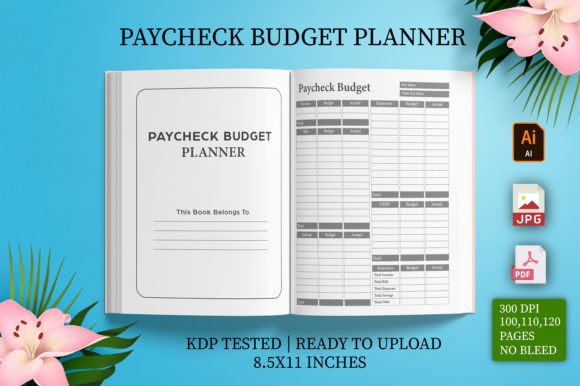
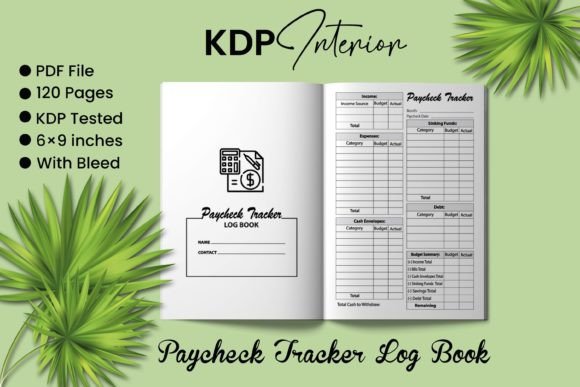
For entrepreneurs, creators, and self-publishers, the concept of a useful Paycheck Planner Log Book also presents an opportunity. There is a demand for well-designed, practical physical tools that aid financial mindfulness. This is where a professionally crafted, exclusive Paycheck Planner Log Book KDP Interior becomes a valuable asset. A ready-to-upload interior file allows you to swiftly bring a high-quality product to market on platforms like Amazon KDP.
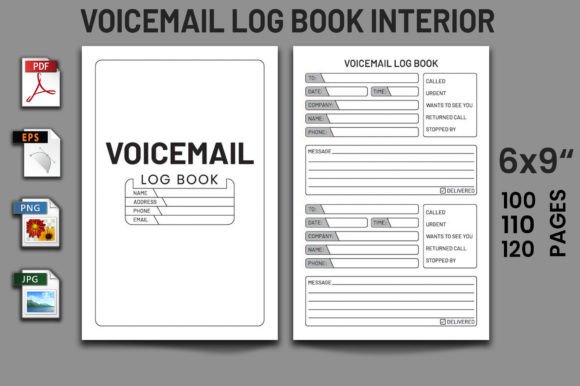
The provided interior is designed for immediate utility and professional presentation. It comes as a print-ready PDF file at 300dpi resolution, ensuring crisp, clear text and lines when printed. The 6x9 inch trim size is a popular and practical dimension for log books and planners, offering ample space for writing while remaining portable. The inclusion of a proper intro page provides a place to personalize the book's purpose, and the total 120 pages offer substantial capacity for long-term tracking.
Technical Readiness for Self-Publishing
Key technical specifications like having the interior prepared with bleed are crucial. Bleed ensures that any design elements intended to reach the edge of the page will print correctly without unwanted borders, a common requirement for professional print-on-demand services. The files are compressed into one ZIP file, organized for straightforward handling. Most importantly, the interior has been tested on Amazon KDP, meaning its formatting meets the platform's specific requirements for a smooth upload and predictable, quality printing results. This saves creators significant time and technical hassle, allowing them to focus on marketing and business development rather than troubleshooting file formatting.
Using such a tested, high-resolution interior provides a strong foundation. You can confidently offer a product that looks and functions professionally, addressing a real need for financial organization without investing in custom design from scratch. It enables a faster path to publishing a tangible product that can genuinely help others gain control over their paycheck tracking and financial planning.
Integrating the Log Book into a Holistic Financial Practice
To maximize the benefit of a Paycheck Planner Log Book, integrate it into a broader routine. Keep it with your monthly bill folder or next to your computer where you manage finances. The moment a deposit notification appears, take a minute to open the log book and record it. Use the adjacent planning columns to make quick, decisive notes about allocation. Then, periodically—perhaps monthly—review the log. This review can provide the accurate income totals you need to populate your digital budget, assess progress towards savings goals, or simply reflect on your financial stability over time.
This tool embodies a principle: financial control starts with awareness. A Paycheck Planner Log Book, whether used as a personal tool or published as a product for others, fosters that awareness at the most critical point—the moment money arrives. It turns income into a documented, planned event rather than a fleeting digital notification. For anyone seeking a simple, effective step toward greater financial intentionality, this focused approach to tracking the paycheck itself can be a remarkably powerful starting point.