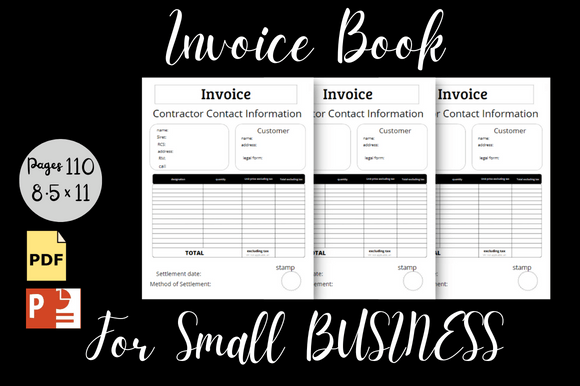
Invoice Book: A Practical Tool for Small Business Owners
Running a small business, whether it's freelance writing, graphic design, or selling crafts online, means juggling dozens of tasks. One of the most crucial, yet often overlooked, is maintaining a clear and professional record of your sales. A simple Invoice Book can transform this administrative chore into a streamlined process. It’s more than just a ledger; it’s a foundational tool for your financial organization and client communication.
The Core Value of a Physical Invoice System
In an increasingly digital world, the tangible nature of a paper Invoice Book holds significant, practical advantages. For many self-employed individuals and micro-businesses, digital invoicing software can feel overly complex, subscription-based, or disconnected from the hands-on nature of their work. A physical book provides a single, consolidated place to record every transaction. You write it down once, and it’s there—permanent, unambiguous, and immediately accessible without needing to log into an app or search through an email folder.
This immediacy is key for cash-based transactions, on-site service jobs, or markets where you issue an invoice and receive payment right away. It serves as your official copy, your filing system, and your quick-reference revenue tracker. Furthermore, using a well-designed Invoice Book prompts consistency. Each entry requires the same essential details: client name, date, description of services or goods, amount, and payment terms. This discipline prevents slip-ups and ensures you never forget to bill for a project.
Key Characteristics of a Professional Invoice Book Interior
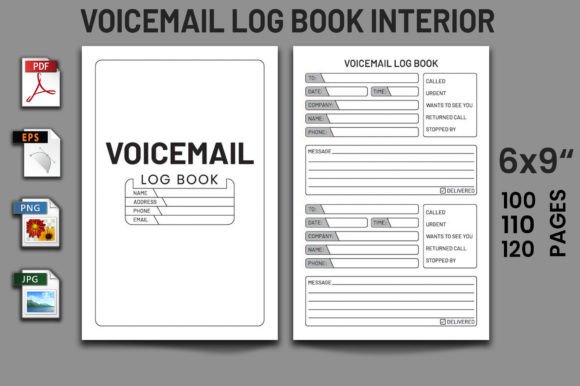
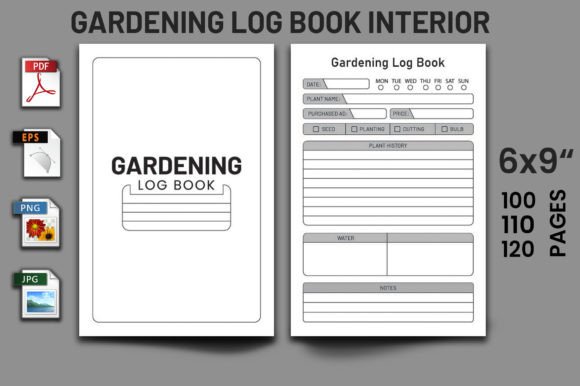
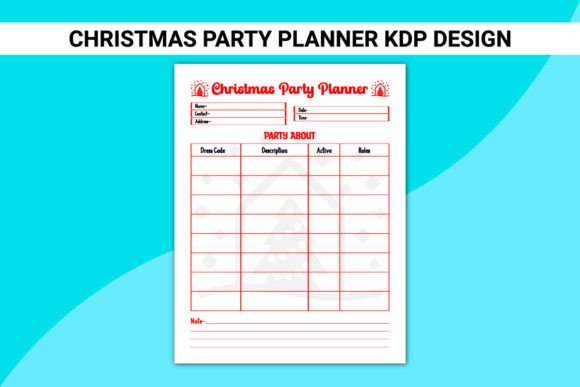
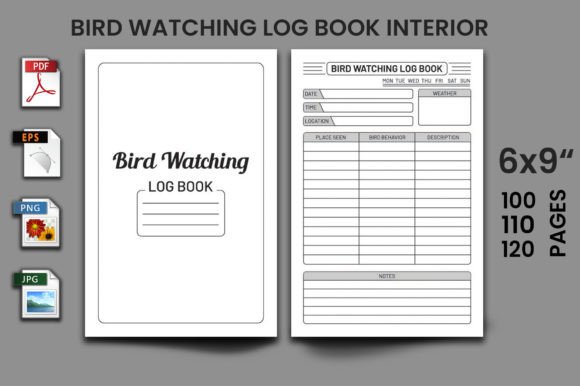
A generic notebook isn’t sufficient. A dedicated Invoice Book interior is structured for the task. Typically, each page is a pre-formatted invoice template, often featuring sequential numbering, which is vital for organization and tax purposes. Key fields are clearly labeled, guiding you to fill in all necessary information. A high-resolution, clean design with crisp lines and professional typography elevates the document from a simple note to a formal business record.
The specific format described—an 8.5" x 11" size with no bleed—is perfectly suited for both direct printing for physical use and for upload to platforms like Amazon KDP (Kindle Direct Publishing). The "no bleed" specification means the design content ends safely within the page margins, ensuring no crucial information is cut off during standard printing or bookbinding. This makes it a reliable, ready-to-use product.
Adaptability Through Editable Source Files
Perhaps the most powerful feature of a modern Invoice Book product is the inclusion of editable source files, such as those for Canva or PowerPoint. This transforms a static template into a dynamic business asset. While the provided PDF is polished and ready, the source files grant you control.
You can personalize the template to align with your brand. Maybe you want to add a small logo, adjust the color scheme to match your website, or even add a unique footer with your social media handles. For a service-based business, you might add a section for "Hours Worked" or "Project Milestones." A product-based seller could emphasize fields for "Item SKU" or "Shipping Cost." This level of customization ensures the book doesn’t just record transactions; it communicates your brand's professionalism and attention to detail to every client who receives an invoice.
Diverse Applications Across Professions and Hobbies
The utility of an Invoice Book extends far beyond traditional business. Creators selling at local art fairs use it to track sales and provide buyers with a formal receipt. Educators who offer private tutoring or workshop facilitation can use it to manage session billing. Bloggers and content creators who occasionally take on sponsored content or consulting projects need a straightforward way to invoice those one-off clients.
Even within a home environment, it can serve as a household management tool for tracking payments for shared services among family members or logging expenses for a personal project. The common thread across all these use cases is the need for a simple, reliable, and official-looking method to request and record payment. An Invoice Book fulfills that need without overhead.
Practical Benefits: From Efficiency to Client Perception
Using a dedicated system directly impacts your operational efficiency. Time spent cobbling together invoices in a word processor or scribbling inconsistent notes in a journal is time lost from core work. A pre-formatted book cuts that time dramatically. All the structural thinking is done; you just fill in the blanks. This efficiency reduces administrative friction, making it easier to send invoices promptly—a key factor in getting paid faster.
Beyond efficiency, the appearance of your invoices affects client perception. A neat, clearly organized invoice page, especially one you can handwrite neatly or print directly from your customized template, signals professionalism and competence. It shows you respect the formalities of the transaction and value clear communication. This builds trust and can enhance your reputation, making clients more likely to return or recommend you.
Implementing an Invoice Book in Your Workflow
Selecting the right Invoice Book involves a few practical considerations. First, assess the volume of your transactions. A 110-page book offers substantial capacity for a growing solo operation. Consider if you need duplicate copies—some books feature a carbon-copy system, but a single page with a well-kept book is often sufficient if you provide clients with a separate printed or digital copy.
When you receive the editable files, take the time to review them. Even a minor customization, like adding your contact email in a prominent spot, makes the tool uniquely yours. Before printing a whole batch, test-print a single page from the PDF to check the alignment and legibility on your printer. If uploading to KDP, ensure you understand the platform's requirements for interior file dimensions and quality; the specified size and high-resolution file are designed to meet these standards seamlessly.
Ultimately, the goal is integration. Place the Invoice Book where your billing process naturally ends. For a craft seller, it might be next to your packaging station. For a consultant, it could be on your desk right after a client call. Tie its use directly to the completion of a job or sale, so it becomes a habitual, non-negotiable step in your workflow.
A Tool for Empowerment and Organization
An Invoice Book is a humble tool, but its impact is profound. It empowers you to take full, organized control of your income stream. It replaces ad-hoc methods with consistency and replaces informal notes with professional documentation. For the self-employed individual, clarity in finances translates directly to peace of mind and business stability.
Whether you choose to print it for immediate use, upload it to create a product for others on KDP, or customize it to become a branded part of your operations, its core value remains. It provides a structured, adaptable, and professional foundation for one of the most important conversations in business: the request for payment for your valuable work. In the busy life of a creator, professional, or entrepreneur, that clarity and structure is not just helpful—it’s essential.