The Practical Guide to Tracking Your Reading Journey
For many readers, the joy of a good book is matched only by the frustration of trying to remember what they've read, what they want to read next, or where they left off in a series. A simple notebook can work, but often becomes chaotic and incomplete. This is where a dedicated system like a Bookshelf Tracker or Reading Tracker comes into play. These are not just fancy journals; they are structured tools designed to transform your reading from a passive hobby into an organized, rewarding practice.
However, choosing and using a tracker effectively requires some forethought. Many people rush into using one without considering how it fits their actual habits, leading to abandoned logs and wasted effort. By understanding a few common pitfalls, you can select a tracker that genuinely supports your literary life and avoid the minor frustrations that derail so many well-intentioned reading projects.
Overlooking Your Actual Reading Habits
The biggest mistake is choosing a tracker based on its aesthetic alone, without aligning it with how you actually read. Do you devour one book a week, or savor a few per year? Do you jump between fiction and non-fiction? A tracker with an overly complex layout for detailed analysis might overwhelm a casual reader, while a minimalist one might frustrate someone who loves recording quotes and writing lengthy reviews.
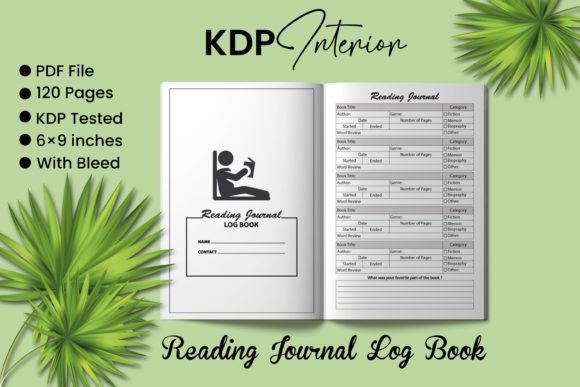
Before downloading or purchasing any Reading Tracker, take a moment to audit your habits. What information do you consistently wish you had recorded about past books? A professional, minimalist, ink-friendly design, as found in many digital PDF trackers, is excellent for clarity and reprinting, but ensure its sections—like title, author, date finished, or rating—match the data you care about. Forcing yourself to log irrelevant details is the fastest way to stop using the tool altogether.
Misunderstanding the "Digital" Aspect
When a product listing mentions a "Digital Editable PDF download," it's crucial to understand what that means for you. This is not an app or software; it is a printable file. The "editable" feature typically means you can type into the PDF fields on your computer before printing, which is perfect for those who want neat, pre-filled pages. However, if you expect a cloud-synced mobile experience, this is not the right product type.
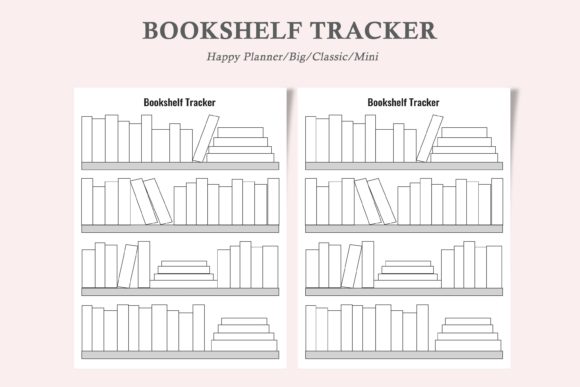
A better approach is to decide your primary use case: physical or digital. If you love the tactile feel of a book journal and plan to print and bind the pages, a digital PDF tracker like the ones available in Happy Planner Classic, Mini, and Big sizes is ideal. You can print a new page every time you need more. If you want access on your phone or tablet at all times, you might need to look for a dedicated app. Confusing a downloadable PDF with an interactive app leads to disappointment.
Choosing the Wrong Size for Your Lifestyle
The availability of three sizes—Big (8.5” x 11”), Classic (7” x 9.25”), and Mini (4.5” x 7”)—is a fantastic feature, but size choice is often overlooked. The Big size offers ample space for extensive notes, but it's less portable. The Mini is wonderfully portable, perhaps fitting inside a book cover, but its writing space is limited. The Classic strikes a balance.
Consider where and how you'll use your tracker. A blogger or educator who reads for research might prefer the Big size for detailed notes that can later be transcribed into articles. A hobbyist reading on the commute might find the Mini perfect for quick logging. A poor choice here affects usability; a too-large planner never leaves the desk, and a too-small one feels cramped. Check your existing planners or notebooks: which size do you naturally carry and use?
Neglecting the "Print and Replenish" System
A key feature of many digital tracker PDFs is the ability to print individual pages as needed. This is a cost-effective and flexible system, but people often misunderstand it. They might print the entire 100-page file at once, creating a bulky binder they feel pressured to "finish," or they might forget to print new pages, causing a break in their recording streak.
The practical advice is to embrace the system as designed. Print a small batch of pages—perhaps five or ten—and keep them in a flexible binder or folder. As you fill them, print more. This keeps your reading log current and adaptable. It also aligns with the minimalist design philosophy: you only use what you need. This approach prevents the tracker from becoming a daunting, monolithic project and keeps it a helpful, living document.
Failing to Integrate Your Wishlist
A robust Reading Tracker often includes or pairs with a Bookshelf Reading Wish List or Book Wishlist section. This is powerful for curating your future reads, but it's commonly used as a simple dump of titles. Without any organization, it becomes a chaotic list that’s no more helpful than a scrap of paper.
A better method is to use the wishlist section strategically. Categorize entries by genre, priority, or even by “read next month” and “read someday.” You can use the digital editable feature to maintain this list on your computer, updating it as you discover new books. This turns the wishlist from a static page into a dynamic planning tool, directly combating the "so many books, no idea what to read next" dilemma and saving you time when you're ready to choose a new book.
Assuming It’s Only for "Serious" Readers
A final, subtle misunderstanding is the belief that a Book Tracker or Book Journal is only for literary scholars or people reading dozens of books a year. This can deter beginners or casual readers from using a tool that could enhance their enjoyment.
The reality is that any tool that brings order to a pleasurable activity enhances that pleasure. Even tracking just a few books a year creates a personal archive you can reflect on. The act of writing a brief note or rating helps solidify your memory and opinion of the book. The tracker’s value is in the consistency of use, not the volume of content. Start simple. Use only the fields that matter to you. Let the tracker grow with your habit, rather than forcing your habit to fit a preconceived, intensive template.
In essence, a Bookshelf Tracker or Reading Tracker is a personal companion for your literary journey. By choosing the right size, understanding the digital format, aligning it with your habits, and using its print and wishlist features wisely, you avoid the common pitfalls that lead to abandonment. It becomes more than a log; it becomes a map of your intellectual and imaginative travels, helping you find the right combinations not for your everyday look, but for your ever-expanding mind.