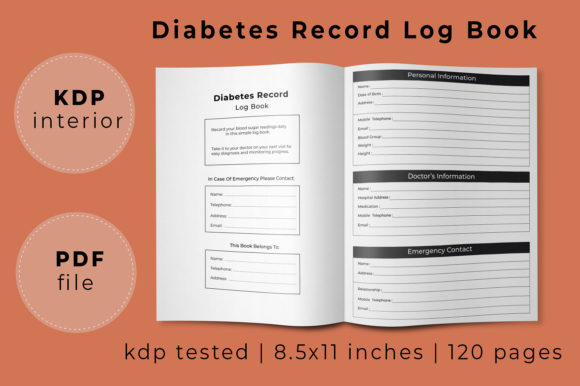
The Diabetes Record Log Book: A Practical Ally in Daily Management
For anyone navigating life with diabetes, information is power. Blood sugar readings, medication times, dietary choices, and doctor's notes form a complex, daily data stream. Keeping track of it all can feel overwhelming, turning self-management into a stressful guessing game. This is where the practical tool of a Diabetes Record Log Book transforms from a simple notebook into a central command post for your health.
Beyond the Numbers: A Holistic Health Journal
A Diabetes Record Log Book is more than just a chart for glucose numbers. It's a dedicated space to consolidate the many facets of diabetes care into a coherent, personal story. At its core, it helps you move from reacting to individual readings to understanding patterns and trends over time. That understanding is the foundation of empowered decision-making and better communication with your healthcare team.
Consider the common morning scramble: checking your blood sugar, taking medication, perhaps noting a slight headache, and planning breakfast. Without a log, each piece floats in isolation. In a Diabetes Record Log Book, you record the fasting glucose level, the exact time and dose of your medication, that note about the headache, and what you ultimately ate. A week later, you might see a pattern linking certain breakfast choices to mid-morning energy levels or glucose spikes. This is the real-world utility—it turns daily chaos into actionable insights.
Scenarios Where a Log Book Becomes Essential
Imagine preparing for your quarterly endocrinologist appointment. Instead of trying to recall three months of data or shuffling through disparate notes on your phone, you bring your Diabetes Record Log Book. The Blood Sugar Levels Chart pages show clear weekly averages and outliers. The Medication Schedule pages confirm adherence and timing. The Doctor Appointments page has your pre-written questions and past recommendations. This organized approach transforms the appointment from a vague check-in into a focused, productive strategy session.
Another critical scenario is during medication adjustments or new treatment plans. Whether starting a new insulin regimen or adjusting oral medications, a detailed log provides the safety net of documentation. Recording doses alongside corresponding glucose readings and any side effects in the Medical Note Pages creates a clear cause-and-effect record. This is invaluable for both you and your doctor to assess efficacy and safety, preventing reliance on memory which can be fuzzy under stress.
Tailored Use for Different Lives and Needs
The beauty of a well-designed Diabetes Record Log Book is its adaptability to different users. A young professional with type 1 diabetes might use it heavily to correlate stress from work deadlines with glycemic variability, using the log to advocate for workplace accommodations. A parent managing a child's diabetes might use the log to coordinate with school nurses and caregivers, ensuring everyone is on the same page with readings and meal plans from the Best Foods For Diabetes reference page.
For those with type 2 diabetes focusing on lifestyle management, the log becomes a motivational tool. Recording food choices alongside glucose results and adding notes on exercise and mood can reveal powerful personal triggers. It shifts the focus from a restrictive "diet" to a personal experiment in wellness, where the log book is your lab notebook. Seeing a tangible record of a week where better choices led to better numbers is a far stronger incentive than any generic advice.
Common Considerations Before Starting
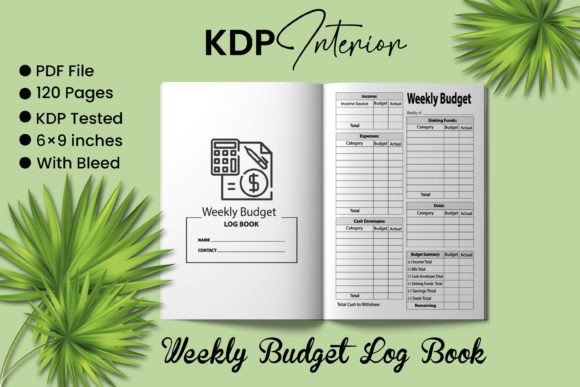
Before integrating a Diabetes Record Log Book into your routine, think about your personal style. Do you prefer digital apps or the tactile, distraction-free nature of pen and paper? A physical log book, like this KDP interior designed for 8.5x11 print, offers permanence and a single, unified location without battery or login concerns. Consider also the time commitment. Effective logging isn't about minute-by-minute entries; it's about consistent, key moment recordings. Finding a simple ritual—like logging after each meal or at bedtime—can make it sustainable.
It's also wise to review the structure of the book. A good Diabetes Record Log Book should balance structured pages (like charts and schedules) with free-form space (like the medical notes). The structured parts provide consistency, while the free-form areas allow you to record unexpected observations, symptoms, or questions that standardized charts might miss. The inclusion of a Personal Information Page and a Belong to Page also personalizes the tool, making it your dedicated health document.
The Strengths and Real-World Limitations
The primary strength of using a Diabetes Record Log Book is the cultivation of mindfulness and ownership over your health. It encourages you to pause and observe, creating a feedback loop between actions and outcomes. This proactive stance can reduce anxiety, as you move from fearing unknown fluctuations to understanding your body's specific responses. It also serves as an unbiased record, cutting through the subjective filter of how we sometimes remember our health days.
A potential limitation is the human factor. If logging feels burdensome or guilt-inducing when numbers are high, it can become counterproductive. The key is to view the log as a neutral observer, not a judge. Its pages are for data, not self-criticism. Furthermore, a physical book requires you to carry it or have it accessible, which might not suit every on-the-go lifestyle. However, its physical presence can also serve as a visual reminder and commitment to your management plan.
Ultimately, a Diabetes Record Log Book is a bridge between the clinical world of diabetes and the lived experience of it. It translates medical advice into personal context. By faithfully using its pages—from tracking appointments to jotting down how a new food affected you—you build a comprehensive resource that is uniquely yours. That resource doesn't just help you manage diabetes; it helps you live your life with more confidence, clarity, and control, turning daily record-keeping into a powerful form of self-care.